Why Men Struggle in Silence: The Hidden Stressors Draining Modern Men

Many men appear composed on the outside while carrying a private strain concealed beneath the surface. They function, deliver, and stay reliable, yet sense a growing internal distance. This displacement shows up in the gaps of the day. A moment alone in the kitchen. A late evening at the desk. The drive home. Small pauses where the mind finally stops performing, and you realise you no longer feel anchored in your own life.
For many men, a belief settles in that, beyond their usefulness, they aren’t cared for or seen in a meaningful way. This conclusion isn’t something you say aloud. It simply becomes the background condition. Over time, that condition shapes how a man behaves. He becomes self-contained, guarded, and reluctant to acknowledge strain, even to himself.
Most men do not call this loneliness. They don’t call it stress either. They call it being fine.
Recognition: The quiet collapse of connection
There is a pattern I have seen repeatedly with therapy clients and in my own life. A man hits a point where the demands of his world rise sharply while his internal resources thin out. On paper, everything looks normal. He has a partner, a child, a job, and a set of responsibilities that imply stability. Yet, his capacity to absorb demand without shutting down starts to wear beneath the surface.
I experienced that same internal depletion when my son was born shortly after my wife and I moved from London to Berlin. Life looked promising from the outside. A new country, a new chapter. Then parenthood arrived with force. The birth was traumatic. I was back at work within forty-eight hours. Previous support systems eroded. My friendships faded quickly. My wife and I were overwhelmed in different ways. I tried to look composed, but internally I felt like a child pushed into an adult role without preparation.

This experience is not unusual. Many men reach a point where the balance between demand and capacity tilts, often without warning. More often than not, they do not explode. They quietly erode.
The outward behaviour becomes consistent in its pattern:
• Increased irritability.
• Withdrawal masked as independence.
• Routine functioning without genuine presence.
• A growing sense of being out of sync with the people closest to them.
This is not a personal failing. It is emotional depletion.
Exploration: Why men break in silence
Men are conditioned early to handle difficulty privately. The playground rules of childhood become adult rules of survival.
Don’t cry. Push through. Don’t be dramatic. Get on with it.
These messages seem crude, yet they form a kind of unspoken operating manual. They tell a boy how to belong. They say to a man how to behave. They also send him, slowly and quietly, toward isolation.
Most men live without an emotional safety net. Relocation, fatherhood, job uncertainty, relationship strain, financial pressure or illness can expose this gap with a sharp effect. appears to be
What manifests as stress is often the strain created when demands grow faster than the resources needed to meet them. A man confronts the same responsibilities, but with fewer internal supports to carry them. This imbalance pushes him toward reactive habits that offer short relief but deepen the strain. For instance:
• Catastrophic thinking: Imagining the worst creates a false sense of preparedness, yet it shrinks perspective and intensifies anxiety.
• Defensive withdrawal: Pulling back reduces immediate tension, yet it increases distance and makes connection harder to restore.
• Short temper: A quick release of tension brings temporary relief, yet it damages relationships and creates further conflict.
• Emotional numbness: Shutting down protects him from overwhelm, yet it flattens human bonds and erodes vitality.
• Reliance on routine over reflection: Staying tightly occupied feels steadying, yet it hides the underlying issues that need attention.

These behaviours create further strain. Misunderstandings become more frequent, small moments of disconnect turn into quiet tension, and those nearby sense a growing distance. The man often interprets concern as criticism and pulls back even further. What began as coping now becomes a loop that tightens around him.
Many men overlook their emotional needs without realising the cost. When emotional nutrition is limited, the mind depletes in the same way the body does when the diet is poor. Most men underestimate how much they rely on attention, connection, status, shared routines and candid interactions to stay steady. Instead, they lean on self-sufficiency as if it were strength and treat silence as control, not noticing how both slowly drain their inner resources.
Without an input of emotional nutrition, the world feels heavier, more hostile and less forgiving.
Stress as a Signal
A critical shift for a man to make is understanding that his struggle does not signal a character shortcoming. It represents a bandwidth issue.
High stress (excess or chronic pressure) narrows perception. When the nervous system is overloaded, the broad perspective collapses. Unexpected developments feel threatening. Neutral comments appear critical. Decisions feel high-stakes. Ordinary setbacks feel like personal failures.
This is not irrationality. It is physiology.
When a man is under-resourced, emotional distress becomes a closed loop:
• Emotional fatigue leads to harsh interpretations.
• Those interpretations give rise to unhelpful behaviour.
• The behaviour triggers conflict or withdrawal.
• The consequences reinforce the original distress.
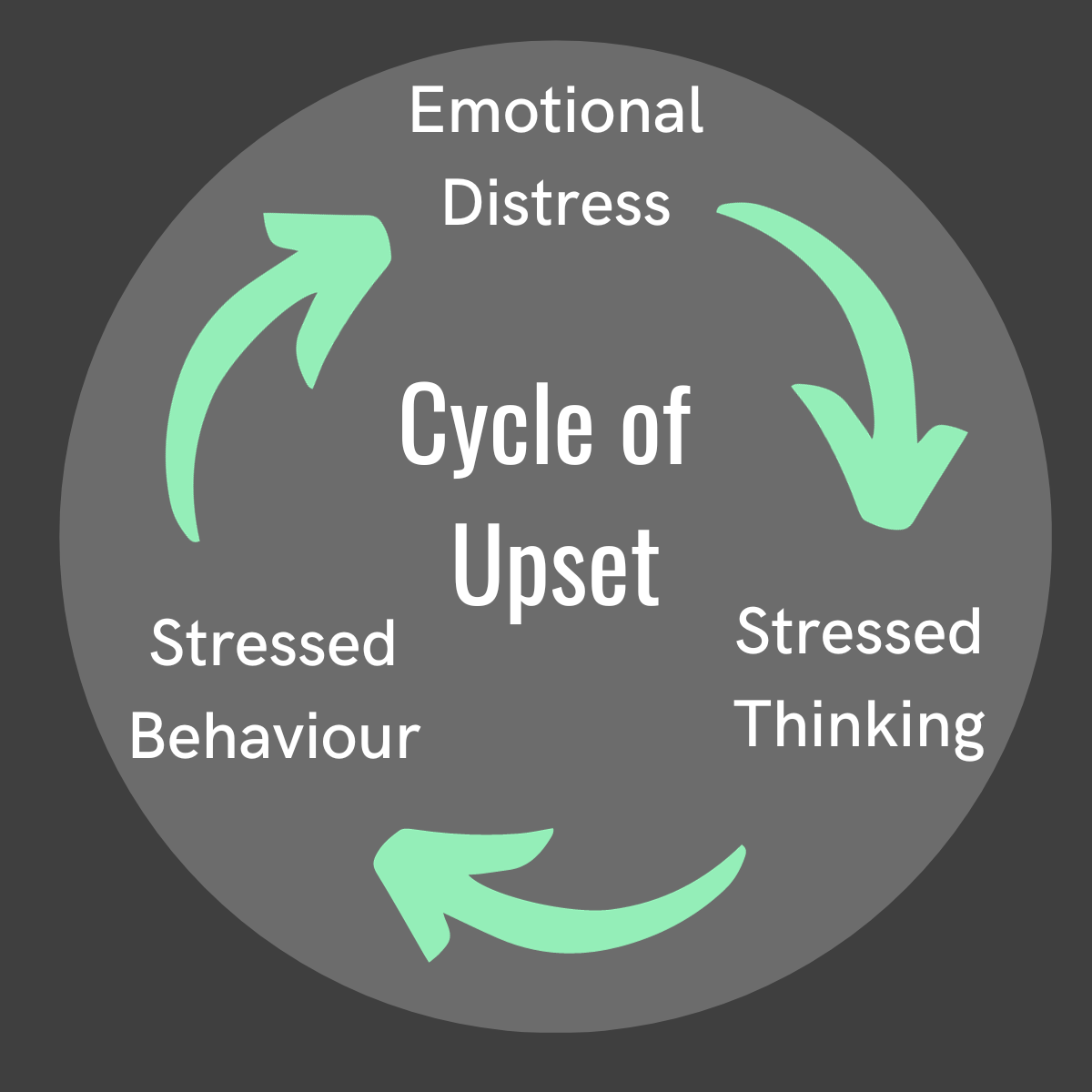
Many men moving through significant life transitions — becoming fathers, changing roles, managing instability — experience a gradual collapse in capacity without realising what is happening. The emotional deficit builds quietly until the system can no longer absorb further pressure.
Acknowledging this is the first clear step forward. Men do not succumb to strain because they lack resilience. They succumb because they face high demands without the support that would help anyone stay steady.
Quiet Possibility: A steadier way forward
Regaining steadiness begins with a simple recognition: you cannot meet emotional demands with an empty system. You need contact. You need structure and support.
It helps to approach emotional well-being the way you would a nutritional checklist. Instead of jargon or self-help language, we want a straightforward audit of what is coming in and what is missing.
• Am I receiving meaningful attention from anyone? Am I giving any?
• Do I feel part of a community, even in a small way?
• Do I have a friend I can be honest with for ten minutes?
• Do I have any space that feels like my own?
• Is there any intimacy in my week, physical or emotional?
These questions reveal gaps quickly. When a man is running on few reserves, the checklist is usually sobering (download it below).
Once the gaps are apparent, the following steps are small, not heroic.
• One honest conversation with a friend.
• One evening a week that isn’t consumed by responsibility.
• One activity that reconnects you to yourself.
• One moment of admitting strain instead of swallowing it.
These small actions do not fix everything, but they restore enough bandwidth for perspective to return. Perspective widens. The world feels less sharp. Relationships become more workable. Stress becomes easier to metabolise. Steadiness returns quietly. You think more clearly. You feel less chased by your own day.
The point is not to overhaul your life. It is to stop going it alone.
Men are not built to carry everything quietly. They function best when supported by connection, honesty, rhythm and shared experience. When those supports fall away, even the strongest men feel the ground shift.
There is no shame in this. It’s simply what happens when the load outweighs the support for too long. The encouraging part is that steadiness returns through small, deliberate steps rather than sweeping change.
If you’re unsure where to begin, start with one.
Subscribe to Anxiety Master and download your Emotional Health Check-In below (audio included).